

Could the sudden shutdown of a notorious hub change how we spot fake content online?
MrDeepFakes was a well-known deepfakes hub that hosted nonconsensual pornographic material. Its abrupt shutdown message said a “critical service provider” cut service and that data loss made continued operation impossible. The notice warned it would not relaunch and that claims of a return are fake.
The disappearance matters to people across the United States because this site shaped how such content spread. The article will explain the shutdown, how the operation worked, how content moved across the web, and what enforcement and policy shifts may follow.
We’ll also flag risks to visitors: copycat pages, reused domains, and misleading new pages can expose users to scams or illegal downloads. Expect a clear look at harms to targets, payment and hosting channels, search visibility, and the media attention that drove scrutiny.
Key Takeaways
- The site posted a final page saying it suffered irreversible data loss and will not relaunch.
- This case separates artificial intelligence as a tool from the harmful misuse of deepfake porn.
- Visitors should avoid unknown links, downloads, and sites claiming to be a relaunch.
- The shutdown raises questions about hosting, payments, and legal enforcement.
- Media scrutiny helped push platforms and regulators to act, not just internet gossip.
What Happened to mr deepfake: The Shutdown Notice and Immediate Fallout
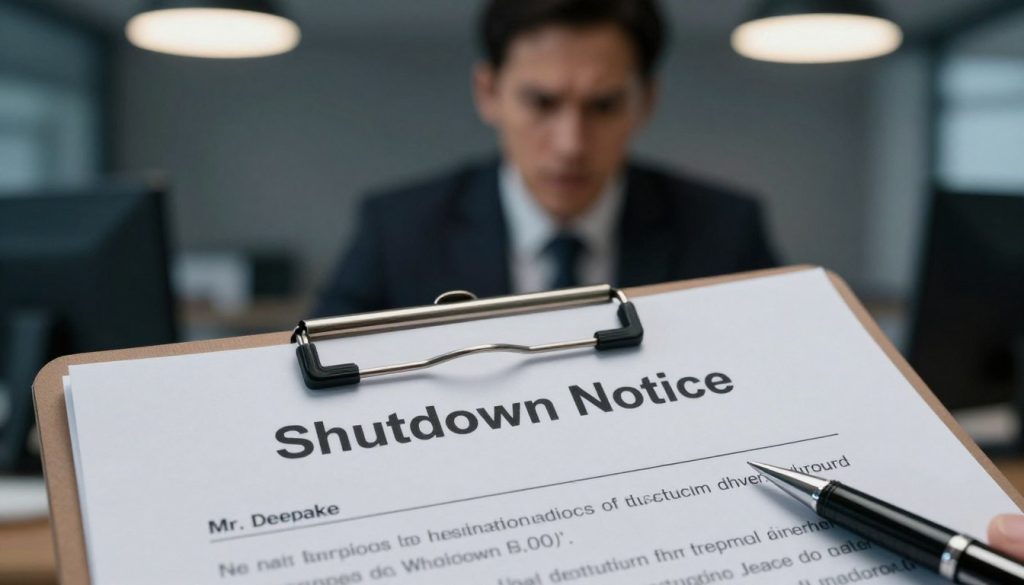
The homepage notice laid out a blunt explanation for why the operation stopped working. It said a critical service provider had terminated service permanently and that “data loss has made it impossible to continue operation.”
The site added a clear message: it will not relaunch and any new website claiming to be a return is fake. The notice also warned the domain will eventually expire and would no longer be managed by the original team.
The provider termination and what it means
When a key provider ends support, platforms can lose hosting, DDoS protection, or backend infrastructure. That kind of service loss plus reported data loss often prevents quick recovery.
Immediate fallout for visitors and risks
The page told visitors to distrust any copycat sites. Scammers often launch fake recovery pages, sell “archives,” or ask for personal information. Those offers commonly carry malware or phishing traps.
- A lapsed domain can be repurposed, increasing risks of phishing or malicious downloads.
- Users should avoid sharing personal data or downloading promised archives.
- Treat claims of “restored access” as high-risk and verify via trusted sources.
Why this matters next: the shutdown fragmented traffic immediately, and mirrors or off-site channels will try to capture users. To understand the broader impact, next we examine how the platform operated and how content spread.
Inside the MrDeepFakes Operation: Deepfake Porn, Traffic, and How the Content Spread
A combination of AI tooling and platform mechanics let manipulated videos spread with alarming speed.
How face‑swap tools worked: Software maps one face, tracks expressions frame by frame, and blends a new face onto source footage. That matching of movement and lighting makes manipulated sexually explicit videos look realistic to casual viewers.
What counts as deepfake porn: These are sexually explicit clips created or altered to show people without their consent. The core harm is nonconsensual publication and exploitation.

Scale, targets, and abuse
Academic research estimated about 43,000 sexual videos and roughly 3,800 people depicted, with over 1.5 billion views. That volume turned the site into a mass‑distribution hub rather than a niche forum.
Most targets were celebrity women — roughly 95% — but private people also appeared. Researchers documented over 1,000 videos with violent or abusive scenarios, highlighting the clear harm beyond standard pornography.
Discovery, traffic, and monetization
The platform drew millions of monthly users and ranked near the top for searches about sexually explicit content, which fueled spillover to social media and traffic spikes around online controversies.
Monetization used short teasers, low‑cost subscriptions (as low as $5), off‑site paywalls, and custom requests coordinated via channels like Discord. Payment options included traditional cards and crypto, creating multiple pressure points for enforcement.
Why this matters next: these patterns reveal levers—payments, hosting, and platform moderation—that shaped both the site’s reach and the forces that led to its shutdown.
Why the Downfall Matters: Consent, Abuse, and the Crackdown on Nonconsensual Deepfakes
The site’s fall highlights how consent, not technology, defines harm when someone’s likeness is used without permission.
Nonconsensual sexual imagery is an escalating form of technology‑facilitated abuse. Even synthetic videos cause real harm: they humiliate targets, threaten careers, and retraumatize victims.
How infrastructure and money shape enforcement
When hosts and other services cut ties, the distribution plumbing breaks. Pressure on payment processors and ad networks can choke revenue and deter sites that profit from abused imagery.
High traffic and ad models help sites scale. That is why enforcement often targets the business side—payments, hosting, and domain services—rather than only removing single uploads.
Expert views and likely migration
Security researchers called the hub a central node that concentrated abuse. Disrupting it lowers reach and fragments communities.
Still, users and sellers may migrate to smaller channels, changing discoverability and moderation dynamics. Expect more takedown requests and a patchwork of enforcement as sites adapt.
Policy momentum and practical takeaways
The TAKE IT DOWN Act creates a legal tool to force prompt removals. Under this legislation, platforms and websites must remove nonconsensual sexual content within 48 hours after a victim’s request.
- Consent remains the key test: synthetic or real, misuse of a person’s image is abuse.
- Targeting payments and hosting can disrupt supply at scale.
- New laws mean faster removals, but migration and whack‑a‑mole behaviors will persist.
Conclusion
The closure removes a central distribution point, and the final notice warns that any new site claiming a relaunch is likely a copycat.
The site is offline and says it cannot return. That matters because the library of manipulated videos and the traffic it drew normalized nonconsensual content and harmed many people, including celebrities and private individuals. Reports show women were disproportionately targeted.
Shutdowns that cut hosting, payments, and other services can disrupt distribution more effectively than chasing single uploads. Watch how U.S. policy and platforms apply 48‑hour removal rules and expand reporting pathways for victims.
Practical note: treat “new” branded pages as suspicious, avoid giving personal data, and follow trusted sources for updates on the site and platform enforcement.
FAQ
What led to the shutdown of the notorious impersonation website?
The site was taken offline after payment processors and critical service providers cut ties, citing violations related to nonconsensual sexual content and abuse. Hosting and domain services also let domains expire or suspended accounts, which prevented an immediate relaunch and reduced traffic overnight.
Did the site lose user data when it went offline?
Operators warned that some backups and logs became inaccessible as domains expired and third-party services revoked access. That created gaps in available archives, though researchers and cached copies on search engines and social platforms preserved portions of the content.
How did face‑swap AI enable the creation of sexually explicit videos hosted on the platform?
AI face‑swap tools use machine learning models trained on images and video frames to map one person’s face onto another’s body. Creators uploaded source imagery, then refined outputs with editing software to produce realistic, explicit clips that were marketed to subscribers.
How large was the site’s library and who were the primary targets?
Independent research estimated thousands of explicit clips with millions of views. The collection focused heavily on celebrities but also included nonpublic victims, amplifying harm through violent and exploitative material documented by academics and online safety groups.
Through which channels did the content spread beyond the original website?
Content propagated via Google Search indexes, social media reposts, messaging platforms, and adult forums. Teaser clips on mainstream platforms drove spikes in interest, and redistribution networks sustained traffic even after the main site was disabled.
How did operators monetize the abusive content?
Revenue streams included subscriptions, paid previews, and custom requests handled off‑site through messaging apps or third‑party payment processors. Advertising and affiliate links also generated income until networks withdrew monetization for policy violations.
Why is this shutdown important for victims and policy makers?
Shutting down a major hub disrupts a centralized distribution point and signals that hosting providers and payment systems can act against nonconsensual sexual imagery. It also raises awareness about the need for clearer takedown rules and faster removal mechanisms to reduce harm.
What legal and policy actions are influencing site enforcement?
U.S. policy proposals like the TAKE IT DOWN Act push for expedited removal of explicit nonconsensual content, with expectations such as 48‑hour takedown windows for platforms and web hosts. These measures increase pressure on infrastructure providers to enforce terms of service.
Where might users and creators migrate after a major takedown?
Users often scatter to copycat sites, encrypted platforms, or decentralized services that resist moderation. Experts warn that enforcement must be paired with prevention, victim support, and coordinated action across hosting, payment, and search providers to avoid displacement.
How can victims get help to remove intimate fake imagery or deepfake pornography?
Victims should document URLs and screenshots, report content to platform abuse teams and search engines, and contact hosting or payment providers used by the site. Legal counsel and organizations that specialize in technology‑facilitated abuse can assist with takedown requests and preservation of evidence.