

Have you ever wondered why a familiar face can suddenly look different from scene to scene? That change breaks immersion and can harm your work. You want your subject to stay recognizable across every shot.
Ideogram Character helps by letting you upload one reference photo to hold identity across generations. This saves time and avoids custom model training for each shoot.
Using a dedicated generator and a single reference image lets you keep visual outputs uniform. When you create consistent characters, you skip manual fixes and improve overall quality.
Good creation workflows also boost audience trust and make your storytelling stronger. In short, focus on practical tools and clear references to keep your work professional and cohesive.
Key Takeaways
- One reference image can preserve identity across sessions.
- A dedicated generator streamlines the creative process.
- Keeping a stable persona saves time and raises quality.
- Uniform images help viewers recognize the same person.
- Practical workflows let you focus on story, not fixes.
Understanding Character Consistency in AI
Keeping a subject’s face stable across frames starts with how the model treats identity.
Character consistency means the system locks a character’s face, features, and identity across multiple generations. When that lock works, you get repeatable results and a recognizable subject in every shot.
Most general image models do not include a dedicated identity-preservation step. That gap often causes face drift, where the same person looks subtly different from render to render.
Using a specialized generator helps anchor identity and avoid drift. It pins core facial traits so your consistent character remains the same across scenes.
- Lock facial features to reduce variation.
- Choose a model that supports identity anchoring.
- Expect some tuning to match lighting and pose.
| Issue | Cause | Fix |
|---|---|---|
| Face drift | Generic model output | Use identity-aware generator |
| Lost features | Poor reference images | Improve reference quality |
| Style mismatch | Inconsistent prompts | Standardize prompt templates |
“Understanding how the underlying model handles identity is the first step toward reliable results.”
Preparing Your Reference Images for Success
Begin with reference photos that make the subject’s face easy to read. A clear starting photo saves you time and gives you more control over the final output. Proper preparation reduces errors and improves overall quality.
Choosing the Right Viewpoint
Pick a frontal or 3/4 view photo to capture facial planes and proportions. These angles give the model the best data about the face and appearance.
Selecting a high-quality reference photo is the most important step to keep your character recognizable across sessions. Avoid complex poses or heavy filters that hide features.
Optimizing Image Quality
Use well-lit photos with even exposure. Shadows and overexposure distort features and hurt consistency.
- Use clean backgrounds and steady focus.
- Don’t use extreme filters or dramatic retouching.
- Take a little extra time to prepare the photo; it saves editing time later.
“A clear, well-lit photo serves as the foundation for reliable results.”
How to Achieve Consistent AI Characters Across Sessions
Begin with one strong portrait that shows the face in neutral light and minimal retouching. This single photo becomes the anchor for all later generations.
Upload that reference photo to a dedicated generator. Use clear prompts that define facial features, hair, and expression. Short, specific prompts reduce unwanted variations.
Generate multiple image variations and review each result. Pick the best outputs and note which prompt tweaks improved the face and mood.
Use the same reference across multiple sessions to keep your story visually coherent. This approach avoids retraining models and speeds up creation.
- Define core features in the prompt: face shape, eye color, and key marks.
- Produce several variations to refine quality and choose the top result.
- Keep records of prompt phrasing that delivered the best generation.
“A single, high-quality photo plus focused prompts is the simplest path to reliable results.”
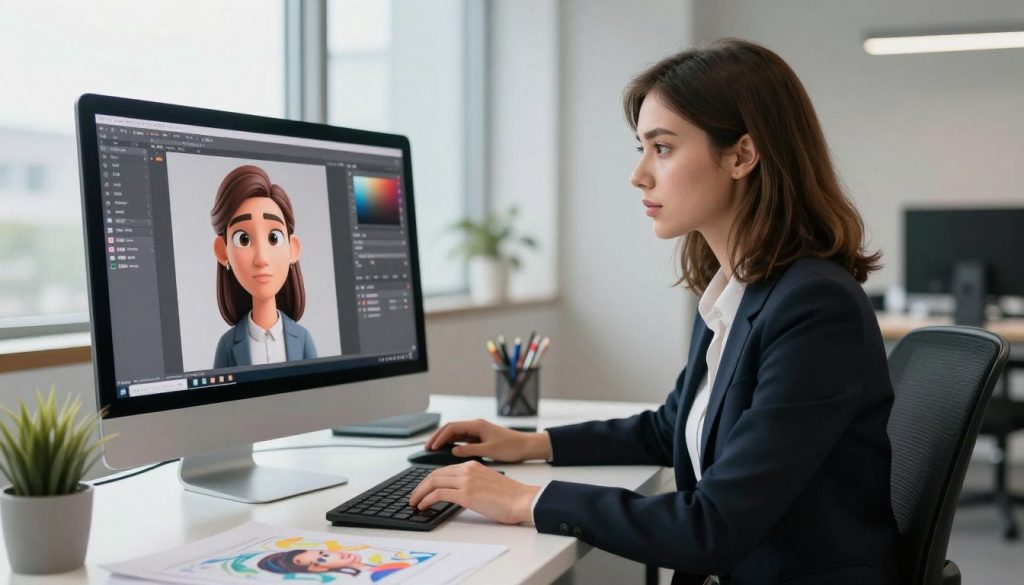
Selecting the Right Tools for Your Workflow
Choosing the right toolset shapes how quickly you can lock a subject’s identity across sessions.
Decide what you need first: do you want to preserve identity or borrow a look? A character reference captures the person. A style reference borrows palette, composition, and mood.
Pick a generator that handles both reference types. That dual support saves you time and keeps your workflow flexible. Ideogram Character on ideogram.ai is a free option that works as a Midjourney cref alternative. It helps maintain identity without a paid plan.
Many creators upgrade to specific plans for advanced features. Those features can speed output and improve control over facial features and lighting.
Comparing Character References and Style References
- Character reference: keeps identity, key marks, and facial details stable across each image.
- Style reference: sets color, texture, and composition without changing identity.
- Best practice: use both when your project needs a reliable consistent character with clear art direction.
| Need | Best Tool | Why it helps |
|---|---|---|
| Identity retention | Ideogram Character | Free, identity-aware reference handling |
| Art direction | Style-capable generator | Mimics palette and composition |
| Fast iteration | Paid plans / advanced features | Saves time and adds control over features |
“Choose tools that match the job: identity tools for faces, style tools for mood. Use both when you need control and speed.”
Leveraging Prompts to Maintain Identity
Well-crafted prompts act like a script that keeps a face recognizable across generations. You can use wording, presets, and careful feature lists to hold identity steady while you change mood or setting.
Defining Core Features
List the face traits that matter most: shape, eye color, hairline, and any marks. Keep that list short and precise.
Example: “Oval face, hazel eyes, small scar left cheek, shoulder-length brown hair.”
Using Presets for Speed
Presets save time when you need many outputs. Use vibe, gender, ethnicity, and age-range presets to build a reliable reference quickly.
OpenArt models like Nano Banana Pro, Seedream 4.0, and Kling 3.0 Omni each offer different strengths for photorealism or stylized work. Kling 3.0 Omni is useful when you want avatars to stay identical across environments.
Balancing Creativity and Control
Allow room for style and expression, but lock the core features in the same prompt. That balance keeps your consistent character flexible yet recognizable.
- Use short, repeatable prompts for the identity parts.
- Add separate style lines for lighting or mood.
- Record prompt versions that worked to speed future generation.
“Define the face, then let the style change the rest.”
Managing Lighting and Scene Variations
Lighting shifts and background changes can quickly undo careful identity work if you don’t plan for them.
Keep one strong reference photo and use a generator that understands how to map that face into new scenes. Match the scene’s lighting to the photo when possible so the character keeps recognizable features.
Use clear, short prompts to describe how the face should react to light. Specify face highlights, shadow direction, and key marks so the model preserves identity across multiple generations.
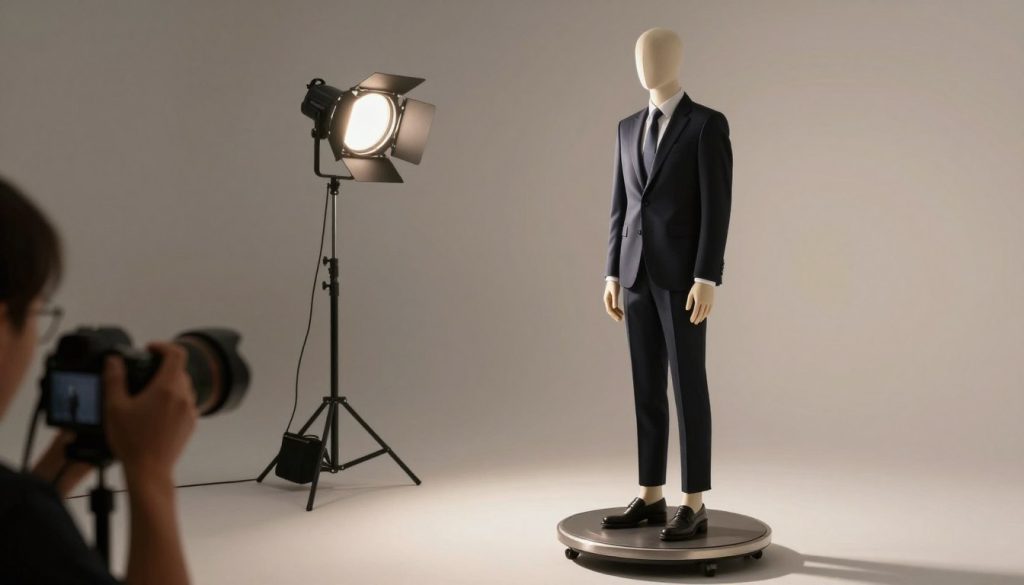
Practical steps:
- Anchor core traits in every prompt to avoid drift when you change styles or backgrounds.
- Test small lighting variations and save the prompt that held the best image quality.
- Control background and scene elements to create a coherent story for marketing campaigns.
“Small, deliberate prompt changes for light and mood maintain a character’s appearance across scenes.”
These habits save time and improve workflow. When you control lighting, background, and prompts, you get fewer fixes and stronger final results.
Refining Results with Advanced Editing Features
Use selective edits to correct hair, accessories, and facial details while preserving the rest of the scene.
CGDream can generate 3D models in about 90 seconds. You can then refine the model by changing mesh type, material, and prompt guidance to improve the output level.
When an image has minor mistakes, masking and inpainting are your best fix. Apply a mask to isolate a hairstyle or accessory, then run inpainting until the area matches your reference photo.
Advanced tools let you change the level of detail in a targeted way. That keeps the main scene while improving small areas and raising overall quality.
- Fix without full regen: use inpainting to adjust small areas and save time.
- Isolate problems: mask hair or accessories to match the reference exactly.
- Tune detail: adjust mesh, material, or prompt guidance to refine variations.
| Tool | Feature | Benefit |
|---|---|---|
| CGDream | Quick 3D generation | Fast base model to refine |
| Masking | Area isolation | Fix errors without full regen |
| Inpainting | Targeted edits | Higher image quality |
“Refining results with masks and inpainting turns good outputs into professional ones.”
Look for a consistent character generator that offers these features. Every generation benefits from careful edits, so test small adjustments and record which prompts produced the best results.
Best Practices for Commercial and Creative Projects
Make sure your toolset supports business use and repeatable visual quality before you scale.
Start by confirming licensing. Check that your Basic, Pro, or Premium plan allows commercial use of generated images. This step avoids legal delays during campaigns or client work.
Use Flux Dev or Pro models when you need higher fidelity. These models help keep identity and key features steady across generations and scenes.
Stick to clear workflows: a high-quality reference image, focused prompts, and a single generator for major assets. This reduces rework and saves time while keeping story and design aligned.
For marketing and storytelling: create consistent characters and avatars for campaigns so your audience recognizes your brand across platforms. Test small lighting and background variations to ensure image quality holds up.
| Need | Recommended | Benefit |
|---|---|---|
| Commercial rights | Basic / Pro / Premium plans | Clear legal use for projects |
| Identity retention | Flux Dev / Pro model | Stable facial features across generations |
| Fast production | Single generator + templates | Less time per image, consistent results |
| Marketing assets | Avatar and style guides | Coherent brand story across campaigns |
“Maintain strong reference images and verify plan rights before you scale creative production.”
Conclusion
Wrap up your pipeline by turning reference photos and prompts into repeatable assets. Build a strong, repeatable workflow that keeps the same face and tone across your projects.
Pick one reliable generator and keep a high-quality reference image as your anchor. Use short prompts, save presets, and apply targeted edits to refine results quickly.
Why it matters: maintaining visual unity boosts storytelling and brand recognition. With focused tools and clear steps, you reduce rework and deliver polished images every session.
Start today: choose a generator, lock your reference, and record the prompt versions that worked best. Small, deliberate steps lead to uniform, professional output.
FAQ
What does "Keep Characters Consistent Across Deepfake Porn Sessions" mean for your workflow?
It means you focus on preserving a subject’s look, proportions, and identifiable traits across multiple generation runs so each output matches your project’s identity and narrative. Use tight reference sets, stable lighting, and repeatable prompts to reduce variation and keep results predictable.
How do you define character consistency in AI image generation?
Character consistency refers to maintaining the same facial structure, features, and style across different images and sessions. It covers face shape, eye placement, skin tone, hairline, and style cues so people and avatars remain recognizable from shot to shot.
What reference images should you prepare for best results?
Collect multiple high-resolution photos from varied angles and expressions. Include front, three-quarter, and profile shots with neutral lighting. Label images clearly and crop to show the face and hairline. Diverse but accurate samples help the model learn the identity reliably.
How do you choose the right viewpoint for references?
Prioritize straight-on and three-quarter angles. These views capture facial landmarks and depth effectively. Supplement with a profile shot to define the nose and jawline. Consistent camera distance and focal length across images also improve alignment.
How should you optimize image quality before using them as references?
Use RAW or high-quality JPEGs, remove heavy filters, and avoid extreme compression. Keep exposure balanced and minimize motion blur. Edit only to correct color or crop; avoid altering facial features. Clean, sharp images lead to more accurate generations.
What steps help you achieve stable characters across sessions?
Lock down your prompt template, store a vetted reference set, and record model parameters like seed values and sampling settings. Use style references sparingly, and run A/B tests to confirm changes. Version control your assets to reproduce past outputs.
How do you choose tools that support identity preservation?
Look for platforms with fine-tuning or subject-embedding features, robust inpainting and masking tools, and exportable presets. Tools that let you import reference libraries and lock prompt fields make it easier to maintain identity across projects.
What’s the difference between character references and style references?
Character references show the person’s facial features, expressions, and anatomy. Style references convey mood, clothing, lighting, and post-processing. Use both: character refs for identity, style refs to control aesthetics without altering identity.
Which core features should you define in prompts to preserve identity?
Specify distinct facial features like eyebrow shape, eye color, nose profile, and hairline. Mention consistent accessories or scars if relevant. Keep these attributes concise so the generator prioritizes them over transient elements like clothing.
How can presets speed up maintaining identity?
Presets save your successful prompt phrasing, reference pairings, and model settings. Reusing them reduces trial-and-error and ensures new sessions start from a proven baseline. Update presets gradually to refine results without losing identity.
How do you balance creativity with control when preserving identity?
Lock core identity attributes while allowing variation in clothing, expression, or scene composition. Use separate prompts for identity and creative elements so you can experiment with backgrounds and lighting without changing facial features.
How should you manage lighting and scene changes while keeping identity intact?
Keep consistent rim, key, and fill directions across shots when possible. If you change lighting, adjust color temperature and intensity gradually and test against references. Provide the model with lighting references to guide realistic rendering of the same face.
How can masking and inpainting correct identity errors?
Masking isolates problem areas, letting you repaint or replace specific regions without altering the whole image. Use inpainting to fix mismatched eyes, warped noses, or hairline shifts. Work in small steps and compare to original references to preserve identity.
What best practices apply for commercial or creative projects using deepfakes?
Obtain model releases and respect consent and copyright laws. Keep thorough documentation of references, presets, and model settings for reproducibility and compliance. Use watermarking and clear disclosure when content could be mistaken for real footage.