

Who owns a computer-made explicit image of a real person? That question cuts to the core of digital rights, privacy, and ownership in the United States.
You may have wondered how courts and agencies treat images created by advanced models and whether familiar laws protect real people. This guide explores the complex legal landscape around ai porn copyright and the limits of authorship when machines produce explicit content.
We look at federal rulings, the U.S. Copyright Office stance, and how courts decide who qualifies as an author. You will learn the key difference between works made by a human and unpredictable outputs from sophisticated systems.
This introduction sets up practical clarity for anyone facing issues of likeness misuse, data in training sets, or fair use disputes. Keep reading to understand how past rulings shaped present protections and what that means for your privacy and legal rights.
Key Takeaways
- You will understand how U.S. law views machine-generated explicit content.
- Federal rulings and the Copyright Office shape authorship rules.
- The line between human-authored works and machine outputs matters legally.
- Learn how likeness and training data disputes affect privacy rights.
- Past cases inform current protections and ongoing legal battles.
Understanding the Rise of AI-Generated Adult Content
In recent years, machine-driven tools have reshaped how people find and create sexually explicit material online.
Millions of users now visit sites to generate custom images and videos. For example, Candy.AI sees over 9 million monthly visitors and PORNX draws about 4 million each month.
The rapid growth of this technology cut the time it takes to produce high-quality content. That makes it easy for any user to make realistic imagery without a studio or crew.
That convenience comes with a cost. Many platforms lack clear consent processes, so images may be created using a real person’s likeness without agreement. This raises privacy and legal concerns for people who find their image used online.
- Personalized search and social media hubs push traffic to generation platforms.
- Smaller production time and cheaper tools widen access to explicit content creation.
- Consent and information control remain unresolved problems for websites and users.
| Metric | Monthly Visitors | Primary Concern |
|---|---|---|
| Candy.AI | 9,000,000 | Lack of consent for likeness use |
| PORNX | 4,000,000 | Rapid spread of sexually explicit content |
| Generic platforms | Varies | Shorter production time, privacy risks |
The Current Legal Status of AI Porn Copyright
U.S. rules make clear that human authorship remains the baseline for legal protection of generated material.
The U.S. Copyright Office has long held that works must be tied to a human agent to receive protection. That stance dates back to 1973 and still guides federal practice.
Defining generated content
When a user types prompts and a system returns an image or videos, regulators often call the output mechanical. The creative spark courts look for is usually missing.
The anthropocentric nature of law
Under current U.S. law, copyright protection requires a human author. That means sexually explicit material produced by a system can be ineligible.
- Every platform and website that hosts such content must note the weaker legal safeguards for this material.
- The process of prompt-based creation is treated as a mechanical output rather than a creative act by a person.
- As more sites and platforms appear, the available information on protected content remains a critical hurdle for users and developers.
| Issue | Practical Effect | Who it Impacts |
|---|---|---|
| Human authorship rule | Denies formal copyright protection | Users, creators, websites |
| Mechanical output view | Limits legal recourse for misused image or material | Platforms, victims, developers |
| Emerging platforms | Raise uncertainty about laws and site liability | Users and platform operators |
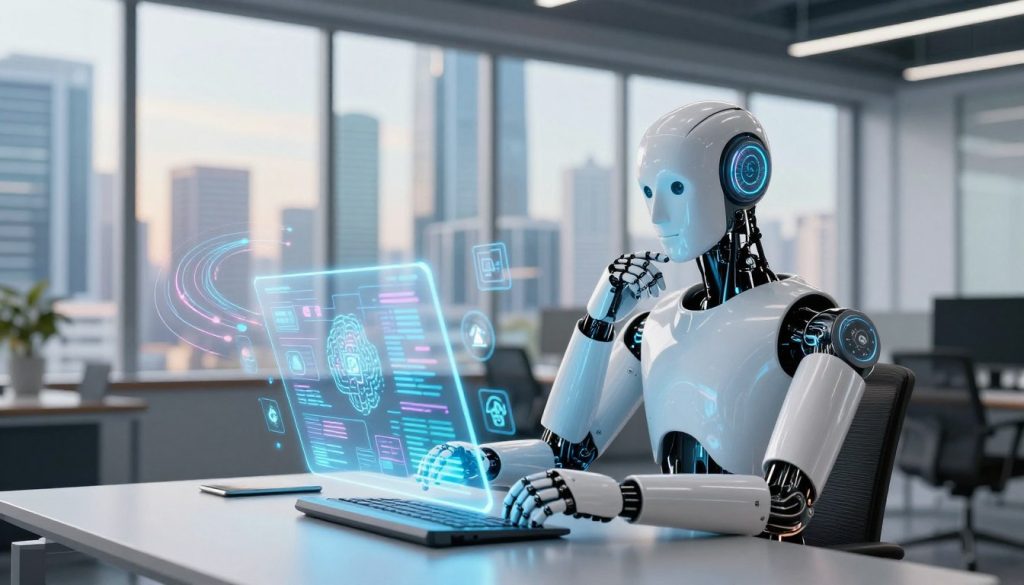
Why Artificial Intelligence Cannot Be an Author
In the united states, courts and agencies treat creative claims carefully. They require a human person to stand behind a work. That means legal rights do not attach to outputs made by artificial intelligence alone.
The systems behind many images learn patterns from existing content. Over time, judges have described such results as derivative rather than truly original. That view affects how the law treats generated material and your ability to claim ownership.
Consent matters. If original creators did not agree to training or reuse, the resulting content can be legally fragile. Without clear consent, platforms and people face limits on enforceable rights for that material.
- The intelligence in these systems is treated as a tool, not a rights holder.
- Courts have emphasized human authorship as the threshold for protection.
- These laws aim to protect creative industries from mass reproduction without human input.
| Legal Issue | Practical Effect | Impact |
|---|---|---|
| Human authorship rule | Denies exclusive rights for nonhuman outputs | Creators, platforms, people |
| Derivative output | Limits claims to originality | Artists and companies |
| Missing consent | Raises liability for misuse of material | Subjects of images and site operators |
| Copyright protection | Granted only when a human authors the work | Rights holders and users |
Human-AI Collaboration and the Threshold of Originality
Collaboration between a person and a generation platform raises hard questions about what counts as original work. Courts and agencies now probe beyond prompts to see which choices a person truly made.
Lessons from the Zarya of the Dawn case matter here. The U.S. Copyright Office partially canceled registration after finding several images were produced by a tool and not eligible for copyright protection.
What the case means for creators
A user may claim copyright in the unique arrangement of elements — for example, layouts or added text — but the underlying sexually explicit image or videos generated by the platform remain unprotected in many instances.
“Even edits that tweak an output often fall short of the high originality threshold required by law.”
- The process matters: courts look for clear, creative acts by a person.
- Minor edits rarely convert a tool-made image into a protectable work.
- Every website that hosts collaborative content should warn users that legal protection is limited.
The Impact of Federal Court Rulings on Digital Media
Courts have stepped in to clarify which works earn legal protection when technology plays a central role.
In 2023 a federal court in Washington, D.C., ruled that Stephen Thaler could not secure copyright protection for machine-made art. That decision changed how judges treat image claims in the United States.
The ruling sent a clear response to media companies. Firms in New York and nationwide began reassessing their use of generated content. You should expect platforms to update policies and disclosure practices.
Judges now look for human-authored elements before awarding protection. The process used to train models on existing material is also under close review.
The result: courts are defining the boundary between protectable work and mechanical output. This affects how people, creators, and platforms handle sensitive material and future legal claims.
“Legal clarity depends on showing substantive, human creative choices in the final image.”
- Federal court rulings limit protection for nonhuman-made material.
- Companies must document human contributions to secure rights.
- Courts scrutinize the training and use of copyrighted material.
| Ruling | Practical Effect | Who it Affects |
|---|---|---|
| Thaler decision (D.C., 2023) | Denied protection for machine-made artwork | Creators, platforms, legal teams |
| Industry response | Policy changes and tighter disclosures | Media companies, users |
| Judicial scrutiny of training | Greater liability risk for improper use of material | Developers, rights holders, people depicted |
Protecting Your Likeness and Personal Privacy
You need clear steps to protect your image and personal brand from misuse online. Public figures and private people face similar risks when images or voice are repurposed without consent.
High‑profile filings show one path forward. In April 2026, Taylor Swift filed trademark applications to guard her voice and likeness from misuse. That move lets you use trademark law to limit commercial use of your persona and to signal stronger legal claims.
Preventing unauthorized deepfakes
Detecting and stopping misuse requires both tech and legal steps. Use specialized software to scan platforms for cloned images and content. Promptly document instances and demand removal from social media hosts.
- Many states now treat creating sexual content without permission as a criminal or civil wrong, especially in cases of revenge porn.
- Copyright protection for branded work and persistent monitoring can deter misuse of your likeness.
- Registering marks and keeping clear records of consent makes enforcement easier.
“Proactive steps—legal filings, detection software, and rapid takedown requests—build the strongest defense.”
| Measure | What it does | Who benefits |
|---|---|---|
| Trademark filings | Limits commercial use of voice and image | Public figures, creators |
| Detection software | Finds unauthorized images and content | Anyone active online |
| State laws & takedowns | Remedies for sexual exploitation without permission | Victims of revenge porn and deepfakes |
| Copyright protection & records | Supports claims over your branded work | Artists and influencers |
How Artists and Companies Are Fighting Back
Creators and companies are adopting both technical and legal defences to stop unauthorized scraping and reuse of their images. You can see practical tools and new site policies that limit misuse.
Computer science professor Ben Zhao created Glaze, a tool that alters files so they are ineffective for model training. Artists embed protective layers in their work to reduce harm and preserve value.
Some platforms now pay creators when their content is reused, including cases involving sexually explicit material. Those payments aim to recognize human effort and offer a revenue path for affected artists.
- You can choose a platform that requires documented consent and vetted data sets.
- Every website that hosts generated content must weigh the harm to original creators.
- Using trusted software and clear terms helps users support ethical creation.
| Action | Effect | Who benefits |
|---|---|---|
| Protective tool (Glaze) | Blocks scraping for training | Artists, photographers |
| Platform royalties | Compensates reuse of work | Creators, rights holders |
| Consent rules on sites | Reduces unapproved use | Users, subjects |
“The fight to protect human-authored work is central to a sustainable creative economy.”
The Role of Fair Use in Training AI Models
The courts are now testing whether training models on scraped media fits within fair use. You should follow these cases closely because they change how platforms may process published material.
The Getty Images and Stability AI Dispute
Getty Images sued Stability AI after millions of protected images were copied into a training set. The claim centers on using images without permission and without compensation. The case asks whether mass scraping of visual work crosses the line into unlawful reproduction.
Lawsuits from Major Media Outlets
The New York Times sued OpenAI and Microsoft in 2023, alleging articles were used to train models without payment. These suits landed in federal court in New York and test how the law treats indexed text and news content in model training.
The Impact of Large-Scale Data Scraping
The process of scraping large volumes of material raises questions about fair use, research defense, and harm to creators. As these cases progress, users and website operators must watch for new rules that will shape how platforms may search, use, and respond to claims about protected content.
“The outcome will determine whether training on public data is treated as lawful research or an infringement.”
- Major suits focus on images and text taken without permission.
- Decisions in New York will influence national policy and platform behavior.
- You should monitor updates to protect your work and respond to misuse.
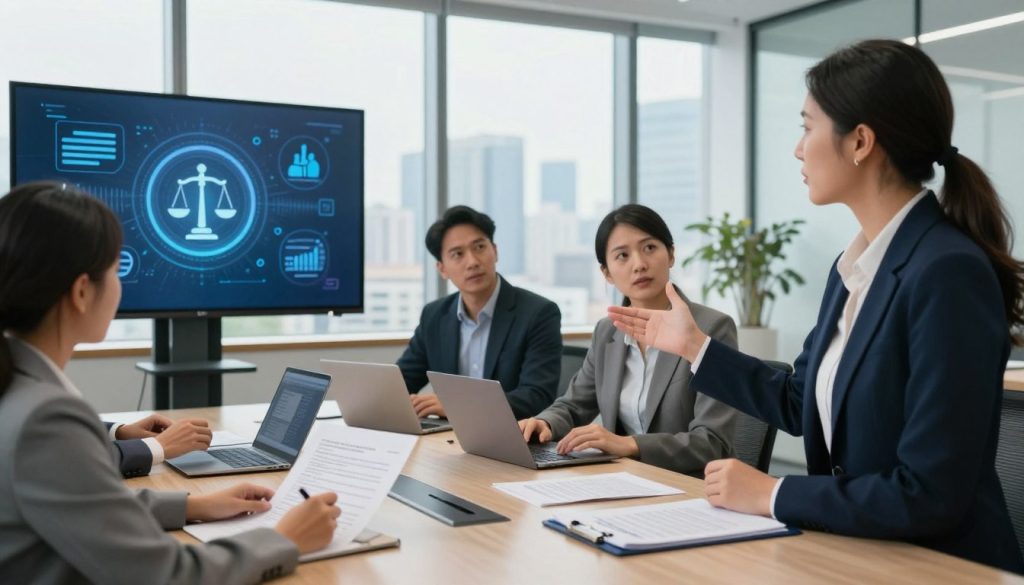
Navigating the Legal Gray Area of Platform Liability
Rapid content creation tools have pushed platforms into a legal gray zone over liability for non-consensual material. You must know how a platform’s policies can shape the legal result if an image of you appears online without consent.
Hosting a sexually explicit image or similar material can expose a website to claims when users upload or generate content that violates privacy or state revenge porn laws.
Platforms face pressure to moderate faster. Social media and hosting sites now adopt stricter takedown rules and clearer reporting paths for victims.
- Sites must balance free expression with the duty to remove harmful content.
- Users can trigger legal action by creating or sharing images without consent.
- Understanding both copyright and privacy law helps you assess risk.
| Risk | Platform Action | Who Benefits |
|---|---|---|
| Non-consensual sexually explicit material | Rapid takedown and stronger moderation | Victims, users |
| Unauthorized use of work | Policy enforcement and notices | Creators, rights holders |
| Massive reposting on social media | Automated detection and reporting tools | Website operators, public |
“Platforms that ignore privacy and consent risk legal and reputational harm.”
Future Trends in AI Regulation and Creative Ownership
The next wave of rules will reshape how you protect images and creative work online. Global action, new state laws, and high‑profile licensing deals are already changing expectations for platforms and users.
Industry moves matter. In December 2025, Disney licensed over 200 characters to OpenAI’s Sora tool in a $1 billion deal. That deal shows how companies can preserve creative ownership through clear legal agreements. In January 2026, Bandcamp banned AI-generated music to protect human musicians and signal stronger protections for creators.
The trend is clear: governments and companies will craft laws that balance innovation with protection. You should expect more rules that make obtaining consent mandatory and that clarify when a person, not technology, owns a work.
- Future regulation in the United States and abroad will focus on shielding human creators from harm caused by unchecked generated content.
- Licensing deals set precedents so platforms pay and respect existing rights.
- As states adopt new laws, claiming copyright protection for computer-made work will become more standardized.
“People’s concerns about unauthorized use without permission are driving a global shift toward stricter oversight.”
| Driver | Effect | Who Benefits |
|---|---|---|
| Licensing deals (e.g., Disney) | Clear commercial rules for platforms | Rights holders, users |
| Platform policy changes | Better consent mechanisms | Creators, subjects |
| State and international laws | Standardized limits on reuse | People and creative industries |
Conclusion
Across New York and other courts, a key case-by-case review is reshaping how the law treats generated media.
Over time, judges and regulators are testing whether a person’s choices make a work protectable. You saw how intelligence-driven tools challenge traditional authorship tests.
Right now, the law generally denies protection to material made solely by machines without clear human input. That limits remedies for harmed people and changes how creators and platforms act.
Stay informed. As new cases and rules arrive, your best defense is prompt action, clear records, and careful use of platforms when your likeness or original work is at stake.
FAQ
Who owns an image created by a generative tool that uses real people’s photos without permission?
Ownership depends on who contributed original, creative input. If you supplied the source photos and directed the tool in a way that meets the originality threshold, you may claim authorship. If a platform or model produced the image from scraped material without meaningful human contribution, courts often find no clear human author. You should also consider state privacy laws and rights of publicity that protect a person’s likeness even when a work lacks formal copyright.
Can you register a work with the U.S. Copyright Office if a generative system played a major role?
The Copyright Office requires a human author. You can register if your creative choices—selection, arrangement, or editing—are substantial and documented. If you only pressed a button and let software do the rest, registration may be refused. Keep records of prompts, edits, and timestamps to support your claim.
Does federal law treat computer-generated images the same as human-made works?
Federal statute focuses on human authorship; the law does not currently recognize a machine as an author. Some judges have interpreted this to mean computer-generated outputs lack automatic protection. You should rely on alternative claims—contract, trade dress, or state privacy torts—when copyright is uncertain.
What legal remedies exist if someone publishes sexually explicit altered images of you without consent?
You can pursue civil claims under state revenge porn statutes, invasion of privacy, and rights of publicity. Platforms may remove content under their terms of service and safe-harbor policies. In severe cases, law enforcement can intervene under criminal statutes. Document the content, preserve URLs, and consult an attorney experienced in digital privacy and media law.
Are platforms liable for hosting manipulated explicit content created by users?
Platform liability often rests on intermediary protections like Section 230 for interactive services and safe harbor under the DMCA for hosting copyrighted material. However, courts are increasingly testing these shields where platforms knew of abuse or failed to act. Your ability to force removal typically starts with the site’s reporting process and may escalate to takedown notices or litigation.
How can you prevent unauthorized use of your likeness by image-generation tools?
Take proactive steps: register your professional images and trademarks, enable privacy settings on social media, and use services that offer image removal or takedown tools. Some companies provide digital watermarking or hashing to detect misuse. If you find generated content, report it to the host and consult a lawyer about cease-and-desist letters and privacy claims.
Does training a model on copyrighted photos count as fair use?
Whether model training is fair use is unsettled and fact-specific. Courts weigh purpose, nature, amount used, and market effect. Recent high-profile disputes—such as cases involving major stock libraries and news outlets—show judges scrutinizing mass scraping and its impact on creators. If your work was scraped, you may have a copyright claim, but outcomes vary by jurisdiction.
Can you trademark your voice or image to block deepfake uses?
You can seek trademark protection for distinctive commercial uses of your persona, but trademarks focus on source identification and may not block all impersonations. Rights of publicity and state laws often provide stronger tools to prevent commercial exploitation of your voice or likeness without consent. Consult an IP attorney to choose the best route.
What role do recent federal court decisions play in shaping protections for digitally altered media?
Federal rulings increasingly influence how courts treat authorship, platform responsibility, and data scraping. Judges have rejected robot authorship in several cases and questioned mass ingestion of copyrighted works. These decisions guide how creators and platforms handle registration, takedowns, and licensing, but legislative updates remain likely to change the landscape.
If a company uses scraped media to train its models, can you seek compensation?
Possibly. Rights holders have filed lawsuits seeking damages and injunctive relief when services used large datasets without permission. Success depends on proof of copying, market harm, and the extent of human authorship in derivative works. Keep evidence of infringement and consult counsel to evaluate claims against firms that trained models on your material.
What practical steps should you take when you discover explicit manipulated content of yourself online?
Act quickly: screenshot and preserve metadata, report the content to the hosting platform, and request removal under the site’s policies. If removal fails, send a formal legal notice addressing privacy and publicity rights. Consider contacting advocacy groups and law enforcement if threats or extortion accompany the publishing.
How are creators and companies fighting back against unauthorized generation and distribution of manipulated content?
Creators pursue litigation, lobby for stronger laws, and form coalitions to demand licensing and transparency from platforms. Companies invest in detection tools, watermarking, and verification systems. Media organizations also bring lawsuits to protect their archives from unlicensed use in model training and distribution.
Will upcoming regulations change how you control or monetize images created with generative technology?
Yes. Lawmakers in the U.S., EU, and other jurisdictions are drafting rules that could require disclosure of synthetic media, mandate opt-in for using personal likenesses, and limit data scraping. Those changes should expand remedies and give you more control, but adoption timelines and specifics will vary by region.
Are there creative ways to establish authorship when you work with generative tools?
Yes. Maintain detailed records of prompts, iterations, and post-production edits. Combine model output with significant manual manipulation or original artwork. Register derivative works where possible and use contracts that assign or clarify ownership with collaborators and platforms.
Where can you get legal help if your image is misused by a content-generation service?
Seek attorneys who specialize in intellectual property, media law, and privacy. Organizations like the Electronic Frontier Foundation and National Network to End Domestic Violence offer resources and referrals. Acting quickly improves your chances for takedowns, damages, and stopping further distribution.